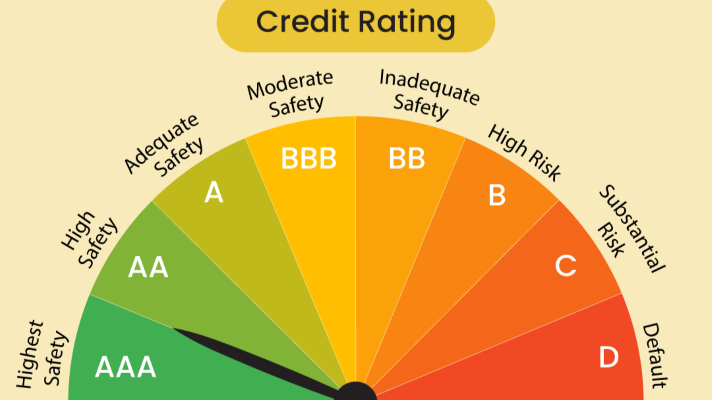
To the average observer, this is just an alphanumeric code. But for energy developers, independent power producers (IPPs) and infrastructure funds, it is a signal through the noise. It tells the global capital markets that despite the structural challenges, PNG is open for business, transparent enough to be audited, and stable enough to bet on.
The Pacific doesn't lack renewable energy potential, it lacks cheap capital. And that starts with a Moody's rating.
For a nation racing toward 70% electrification by 2030, this rating isn't just a financial metric — it is the cornerstone of energy transition. Here is why it matters for PNG, and why every Pacific Island Nation (PIN) should view a sovereign rating as a non-negotiable asset.
The Cost of Capital: The Difference Between "Bankable" and "Wishful Thinking"
Renewable energy projects are capital-intensive upfront. The viability of a solar farm or hydro plant in the Highlands depends entirely on the Weighted Average Cost of Capital (WACC).
A stronger Moody's rating lowers a country's cost of capital by reducing the risk premium lenders and investors charge for long-term debt.
Without a sovereign rating, international investors view a market as "unrated" or "speculative," often assigning a risk premium that can push interest rates into double digits. This makes electricity too expensive for the end-user.
- With the B2 rating, PNG provides a benchmark. Investors can price the risk. It allows reputable IPPs to secure financing at rates that make projects commercially viable, moving them from a PowerPoint deck to a construction site.
Credit Rating Scales by Agency, Long-Term
Attracting "Quality" Capital, Not Just Aid
For too long, the Pacific has relied on donor funding and concessional loans. While vital, aid cannot scale to meet the gigawatt-level demands of industrialization and climate resilience.
A sovereign rating shifts the conversation from Aid to Trade.
It attracts institutional investors (pension funds, green bonds) who require a credit rating to even consider a market.
- It signals adherence to global governance standards.
- It allows the government to issue sovereign guarantees that actually hold weight with international banks, unlocking private sector liquidity.
The Pacific Context: Breaking the "Financial Trap"
Fiji (currently rated B1 Stable by Moody's) has demonstrated how a credit rating can anchor economic resilience. Despite facing severe climate shocks, Fiji's rating has allowed it to access international markets to fund infrastructure that withstands cyclones.
Conversely, unrated Pacific nations fall into a "financial trap." Without a rating, they cannot access competitive lending markets, forcing them to rely on opaque bilateral loans or slow-moving multilateral grants. This dependency limits their autonomy and slows down urgent energy projects.
Why every Pacific Island Nation needs a rating:
The rating process forces a level of fiscal transparency that reduces corruption risks and boosts investor confidence.
If more Pacific Island Nations are rated, we can eventually look toward regional financing vehicles (like a Pacific Green Bond) that bundle projects across islands to attract massive global funds.
For our Pacific neighbors: pursuing a sovereign rating is daunting, but it is the only way to graduate from "beneficiaries" of aid to "partners" in global investment.
Back to ArticlesFor the Pacific, the clean energy transition won't be won by technology alone. It will be won by creditworthiness — because the price of money determines the price of electricity.